How long do oil furnaces last? Lifespan and warning signs
Updated 18 Oct 2026
Quick answer
A well-maintained oil furnace lasts about 20 to 25 years, and a cast-iron oil boiler often 25 to 35; an oil tank is more like 15 to 25. Annual tune-ups and not running the tank dry are what get you to the high end. The unit is genuinely done when the heat exchanger or boiler section cracks, everything before that is usually a repair.
On this page 5 sections
The honest numbers
With regular service, typical service lives run:
- Oil furnace (warm air): about 20 to 25 years.
- Oil boiler (hot water): about 25 to 35 years for a cast-iron sectional boiler; steel boilers a bit less.
- Oil storage tank: about 15 to 25 years for a single-wall steel tank, longer for a double-wall or fiberglass tank.
These are the well-maintained numbers. A neglected unit can be done a decade early, and a pampered one can outlive the averages. The single biggest lever is the annual tune-up.
What shortens an oil system’s life
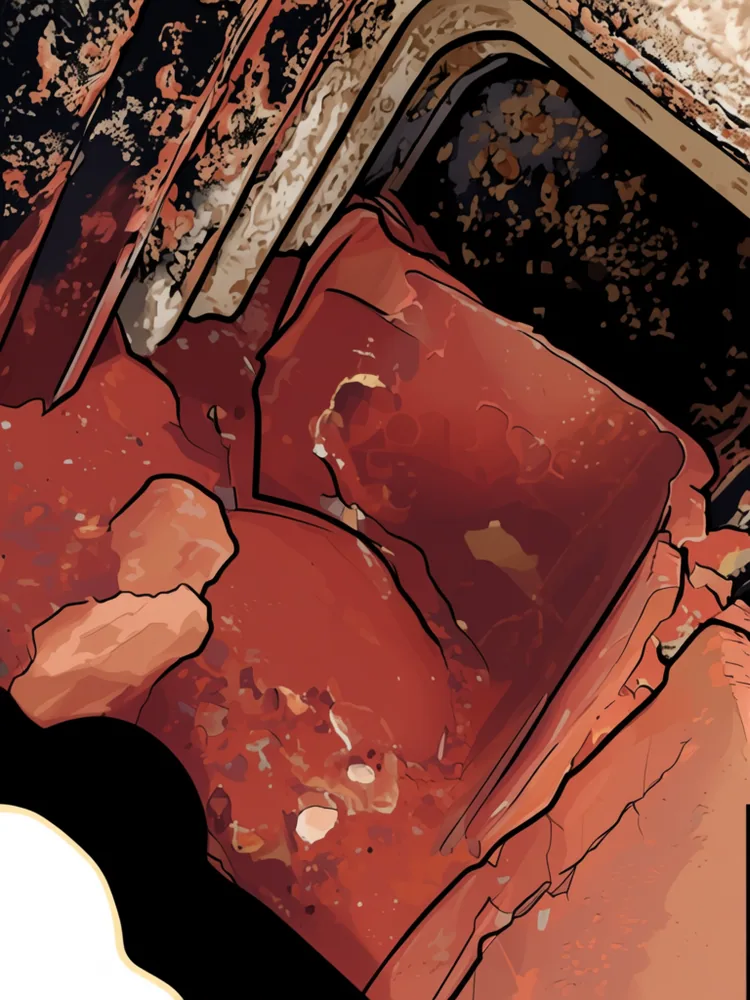
When the chamber is the only failure and the boiler section and heat exchangerheat exchangerThe metal chamber that passes combustion heat into your home's air or water while keeping the fumes separate. A crack in it is a carbon monoxide hazard. are still sound, a Lynn replacement kit can rebuild the fireboxfireboxThe lined chamber where the oil actually burns. Its refractory liner holds the heat and protects the walls. instead of replacing the whole unit. Find the kit for your boiler with the combustion chamber finder.
- Skipped tune-ups. Soot insulates the heat exchanger, a worn nozzlenozzleThe precision tip that atomizes oil into a fine spray for burning. It is sized by flow rate, spray angle, and pattern. makes a dirty fire, and small problems compound into big ones.
- Running the tank low or dry. Sludge and water at the tank bottom get pulled into the system, and run-outs stress the pump and filter.
- Water in the tank. Condensation feeds the rust that kills steel tanks from the inside out, and the microbes that make sludge (see water in the oil tank).
- Oversizing. A unit too big for the house short-cycles, which is hard on everything.
- Deferred small repairs that turn a $200 part into a failed heat exchanger.
The signs a unit is near the end
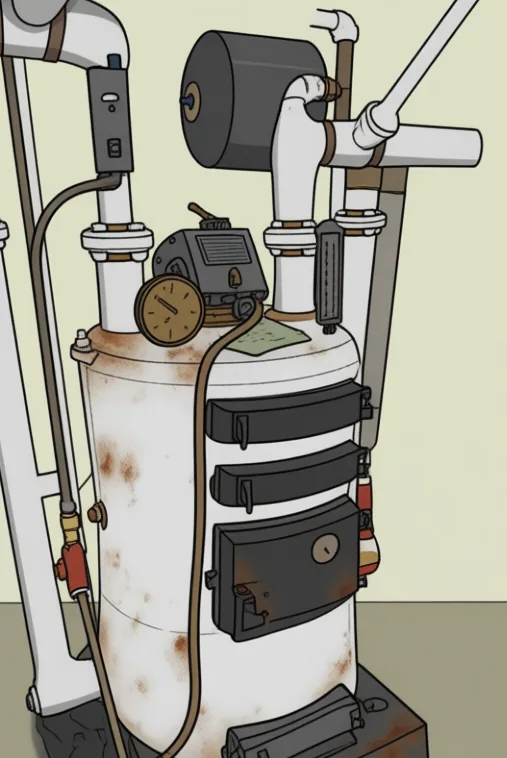
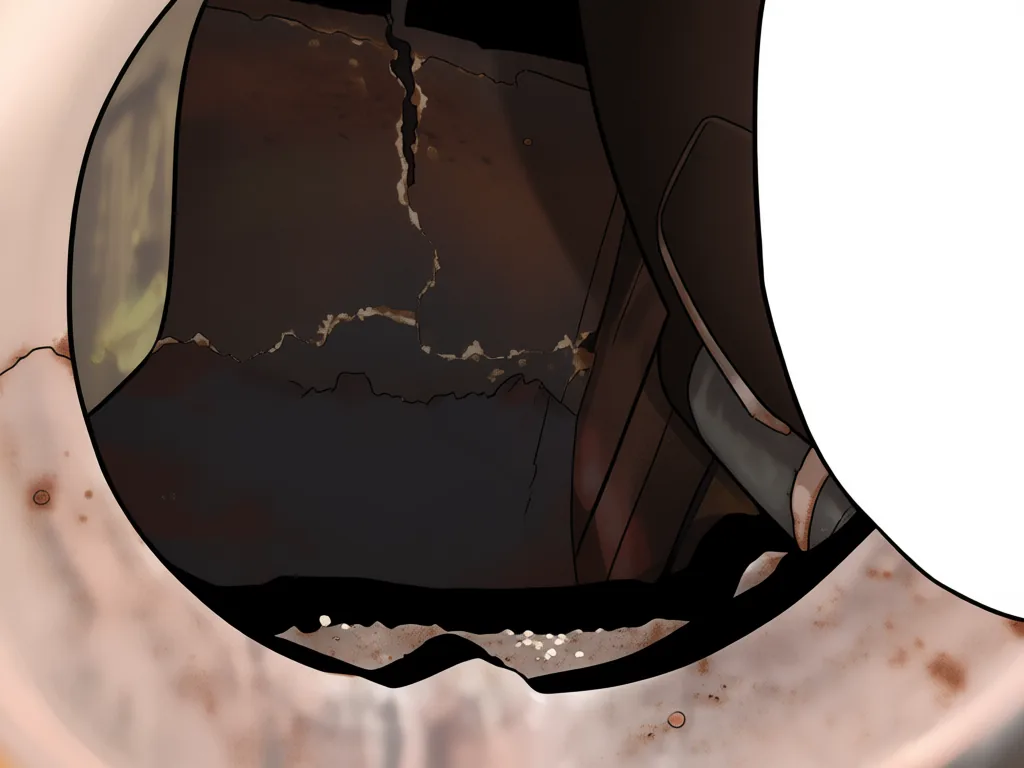
- A cracked heat exchanger or a rotted boiler section. This is the real end. A crack lets combustion gases into the house air or living space, which is a carbon monoxide hazard, and it is not a repair. A technician finds these on inspection.
- Repairs every winter. When a unit needs a different part each season, the next repair is usually throwing money at a lost cause.
- Visible rust-through, persistent soot, or a burner that will not hold a tune even after service.
- For tanks: weeping seams, blistered paint, or an oil smell, covered in the tank replacement guide.
Repair or replace: making the call
A workable rule, then judgment:
- Under ~15 years, sound heat exchanger: almost always repair. The control, pump, nozzle, cad cellcad cellThe light sensor that proves a flame is burning. If it cannot see flame fast enough, the primary control locks the burner out., and igniterigniterThe modern solid-state replacement for the ignition transformer, doing the same job of firing the spark. are inexpensive parts on a unit with years left.
- 20+ years and a big-ticket failure (heat exchanger, boiler section, or repeated expensive repairs): lean toward replace, and put the repair money toward the new unit.
- Any cracked heat exchanger, at any age: replace. Safety, not economics.
When you get there, the replacement cost guide covers the installed-price bands and how to read quotes, and the oil usage estimator shows what a more efficient unit would actually save in gallons.
Getting to the high end of the range
The unglamorous answer works: a tune-up every year, keep the tank above a quarter in winter, change the filter, and fix the small stuff before it cascades. An oil system treated that way routinely outlasts its averages, which is a large part of why people who have oil heat tend to keep it.
Sources
- Manufacturer service-life literature (oil furnaces, cast-iron boilers)
- NORA (National Oilheat Research Alliance) maintenance guidance
- U.S. EPA guidance on residential heating oil tanks